






SpaceX just dropped the V5 dish. It's smaller. It's more efficient. And it performs differently than what came before.
Let's break down what changed.

What Changed: The Specs
Here's the official breakdown from Starlink's specifications page:
| Hardware | Starlink Standard 4 | Starlink V5 |
|---|---|---|
| Peak Download Speeds | 400+ Mbps | 375+ Mbps |
| Dimensions | 591 × 383 × 39.7 mm (23.4 × 15.1 × 1.5 in) | 384 × 384 × 34 mm (15.12 × 15.12 × 1.34 in) |
| Weight | 2.9 kg (6.4 lbs) | 1.1 kg (2.4 lbs) |
| Power Consumption | 75-100W average | 35-50W average |
| Router Compatibility | Router 2.3, Router Mini | Router 2.3, Router Mini |
| In-Motion Use | Yes | No |

Photo from @SawyerMerritt
What This Actually Means:
V5 is 62% lighter and noticeably smaller. If your rig has tight roof space or you're mounting on a small boat, V5's compact design is genuinely useful.
Power draw is the big story for off-grid. V5 cuts power consumption in half compared to Standard 4. If you're running lithium banks or solar panels, that gap translates to fewer batteries, smaller arrays, or longer runtime between charges.
Speed is about 25 Mbps lower on paper, but both perform well above what most users need. Starlink's Residential 100 plan maxes out at 100 Mbps anyway.


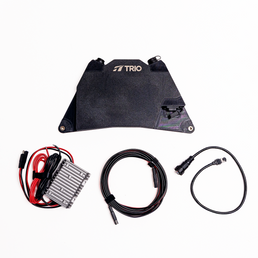
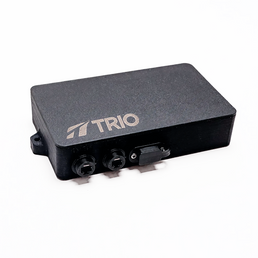
TRIO Is Building a Mount for V5
V5's compact size and lightweight design open new mounting possibilities. We're already working on solutions optimized for V5's smaller footprint. If you're planning a V5 install on your RV, boat, cabin, or off-grid setup, stay tuned.


