





Staying connected while living on the road has never really been simple. It was not long ago that it wasn't even possible, in fact.
Here is a timeline of how space-based wifi transformed our vanlife hobby in just a few short years.
Pre-2021
Before Starlink, connectivity relied almost entirely on cellular hotspots and campground wifi; both were inconsistent, often unreliable, and rarely designed for modern online work. In rural areas, forests, deserts, and dispersed campsites, signal frequently dropped to unusable levels or disappeared entirely.
Common connectivity challenges before Starlink included:
- Unreliable cellular signal in remote or off-grid locations
- Overcrowded and slow campground wifi networks
- Internet speeds that fluctuated dramatically throughout the day
- Limited support for video calls, uploads, and cloud-based work
As a result, travel decisions revolved around coverage maps, campground reviews, and proximity to towns or public wifi.
Starlink changed that equation. Reliable internet stopped being tied to infrastructure on the ground and became available in places that had previously been unreachable. But the real transformation reshaped what life on the road could look like when connectivity worked consistently, and quietly, in the background.
How Starlink Changed Vanlife Internet and Remote Connectivity
Gen 1: 2021
After Starlink released, it transformed vanlife connectivity by making reliable, high-speed internet available in remote locations where cellular and campground wifi are unreliable or unavailable.
Almost immediately, expectations changed. Instead of the common act of driving around searching for any signal, connectivity became an assumption. Campsites were chosen for scenery, quiet, and personal preference, with the expectation that internet access would simply work once parked.
In real-world use, Starlink consistently delivered speeds that supported video calls, cloud-based work, streaming, and large uploads from remote locations. Reported download speeds often exceeded what was achievable through cellular networks in rural or lightly populated areas, making meetings and file transfers routine rather than risky.
Vanlife Internet: Before vs. After Starlink
| Before Starlink | After Starlink |
|
Connectivity depended on cellular signal and campground wifi |
Internet access available in remote and off-grid locations |
|
Campsites chosen based on scenery and preference |
|
|
Video calls and uploads were unpredictable |
|
|
Cellular networks served as the primary connection |
Cellular became a backup rather than a necessity |
|
Internet access felt fragile and temporary |
Internet access behaved like infrastructure |
Cellular and campground wifi didn’t disappear, but their role shifted: cellular became a backup rather than the primary connection.
Key Benefits of Starlink for Vanlife Connectivity
- Reliable internet in remote and off-grid locations
- Consistent video calls and large uploads while traveling
- Less dependence on campground wifi and cellular coverage
- Greater freedom to choose campsites based on scenery instead of signal
With these changes, internet access stopped feeling fragile and began to behave like real infrastructure: always available, predictable, and quietly supporting life on the road.
Starlink Setup Challenges for Vanlife: Why Simplicity Matters
While Starlink dramatically improved internet reliability on the road, the process of getting online still shaped daily routines.
Gen 2: 2021-2022
Using tripods or temporary mounts meant repeating the same setup at every stop. Deploying the dish, positioning it for a clear view of the sky, routing cables into the vehicle, and reversing the process before departure added friction to each move.
Common Starlink Setup Issues When Traveling Full-Time
Based on real-world use, setup friction showed up in several consistent ways:
- Repeating dish deployment and alignment at every stop
- Running cables through windows or doors
- Managing loose or exposed cables around camp
- Monitoring tripods or temporary stands in wind
- Remembering to stow the dish before driving
- Adjusting work schedules around setup effort
These details may seem minor in isolation, but together they added mental overhead, especially on travel-heavy days or when schedules were tight.
Why Setup Friction Affects Daily Life on the Road
When internet access requires repeated setup, it stops feeling seamless. Temporary mounts, loose cables, and multi-step deployment turn connectivity into another checklist item rather than something that works in the background.
What became clear over time was that speed alone wasn’t the deciding factor. Starlink delivered strong performance, but it worked best when it required minimal thought to use consistently.
Why Low-Profile Starlink Mounting Works Better for Vanlife
With extended daily use, a clear pattern emerged: the biggest improvement didn’t come from faster speeds, it came from eliminating setup.
Gen 3: 2023
Low-profile or flat mounting allows Starlink to stay installed between stops, reducing wind exposure and removing the need for daily deployment. This turns the system from a piece of gear into always-ready infrastructure that works as soon as the vehicle is parked.
Once the dish stayed mounted full-time, connectivity became immediate. Park, power up, and get online without deciding whether the stop justified the effort.
What Changes When Starlink is Mounted Full-Time
Leaving Starlink permanently mounted reshaped daily routines in several practical ways:
- Internet access became available immediately after parking
- Setup time dropped to near zero
- Cables no longer needed to be routed through windows or doors
- There were fewer steps to remember before driving off
- Connectivity stopped interrupting daily flow
These changes reduced mental overhead and allowed internet access to fade into the background instead of demanding attention.
Low-Profile Mounting vs. Temporary Setups
| Temporary or Tripod Mounts | Low-Profile Flat Mounts |
| Require setup at every stop | Stay mounted between stops |
| Add time and friction to daily routines | Enable immediate connectivity |
| Exposed to wind and movement | Reduced wind exposure |
| Cables routed through windows or doors | Clean, roof-based cable routing |
| Connectivity feels conditional | Connectivity feels consistent |
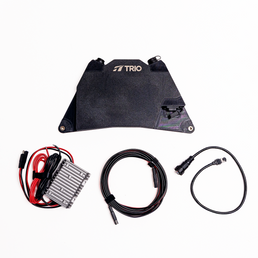
By keeping the dish close to the roofline, low-profile flat mounts also reduced clearance concerns and visual clutter. Solutions designed specifically for mobile use — such as low-profile flat mounts for Starlink — made this approach practical for frequent movers.
Balancing Permanence and Flexibility
Permanent mounting didn’t mean losing adaptability. Quick-removal options made it possible to adjust for storage, severe weather, or shaded campsites while still defaulting to an always-mounted setup.
Compact solutions like the Mini Speedmount supported this balance, allowing connectivity to remain reliable without reintroducing daily setup friction.
Choosing the Right Starlink Mount for Vanlife and RV Travel
Today
As Starlink adoption increased, mounting stopped being an afterthought and became part of overall system design. The question shifted from whether Starlink worked to how it fit into a mobile lifestyle.
For frequent movement, flat mounting emerged as the most practical approach. Securing the dish directly to the vehicle removed repeated deployment and allowed connectivity to feel consistent rather than conditional.
What to Look for in a Starlink Mount for Vanlife
Based on real-world use, effective mounting solutions shared several key characteristics:
- Designed to stay mounted during travel
- Low-profile to reduce wind exposure and clearance concerns
- Clean cable routing without windows or doors
- Stable at highway speeds
- Minimal setup or adjustment at camp
These factors reduced daily friction and helped internet access behave like infrastructure instead of equipment.
Why Flat Mounts Became the Preferred Option
Compared to tripods and temporary stands, flat mounts simplified daily routines. Keeping the dish on the roof eliminated loose cables and removed the need to deploy hardware at every stop.
Low-profile designs also reduced exposure to wind and obstacles, making it more comfortable to leave the dish installed while driving.
Mounting Solutions Designed for Mobile Use
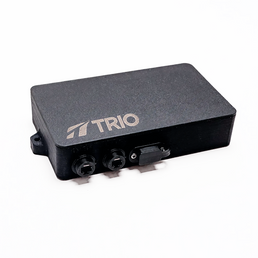
Mounts built specifically for vans and RVs focused on keeping Starlink secure, low-profile, and ready without daily handling. Solutions developed by Trio reflected these priorities by emphasizing durability, low profile, and always-ready use.
By aligning mounting choices with actual travel behavior, connectivity became something that supported daily life rather than shaping it.
How to Set Up Starlink for Vanlife: Key Setup Considerations
Getting online with Starlink is less about complexity and more about making the right foundational choices early. Most long-term issues come from mismatched setups rather than the technology itself.
Basic Requirements for a Vanlife Starlink Setup
A functional Starlink setup for life on the road includes three core components:
- A Starlink dish and compatible service plan
- A power solution sized for mobile or off-grid use
- A mounting approach that matches how often the vehicle moves
Choosing the right combination from the start helps Starlink feel seamless rather than disruptive.
Power Planning for Mobile Starlink Use
Starlink draws more energy than typical mobile routers or hotspots. Because of this, many setups rely on battery systems, DC conversions, or solar support to avoid depending on shore power or running engines unnecessarily.
Planning for power early helps prevent performance bottlenecks and unexpected limitations once traveling full time.
Placement and Mounting Considerations
Performance is affected by placement. Starlink works best with a clear view of the sky, and roof-mounted setups often reduce obstructions compared to ground-level dishes near shrubs, vehicles, or uneven terrain. Purpose-built Starlink mounts for vans keep the dish secure and aerodynamic on the move.
Common Setup Mistakes to Avoid
Many early frustrations come from underestimating setup friction, including:
- Relying on temporary stands for frequent moves
- Routing cables through windows or doors
- Treating Starlink as something to deploy only occasionally
- Failing to plan power capacity alongside connectivity needs
Addressing these details early helps Starlink behave like infrastructure rather than another system to manage.
Connectivity as Part of the Vanlife Infrastructure
Vanlife has always been about independence. Reliable internet just made it sustainable.
Starlink removed many limitations that once dictated travel decisions, but true ease came when connectivity was treated as infrastructure rather than equipment. The less attention it demanded, the more it supported daily life instead of interrupting it.
The most effective setups stay out of the way, remain ready between stops, and require minimal thought once installed. When connectivity works quietly in the background, attention returns to what matters most: work that feels sustainable, relationships that stay connected, and travel guided by curiosity rather than signal strength.
Like any good infrastructure, the best systems are successful when they stop being noticed and start being trusted.


